The Economic Heart of Bangladesh: Tea’s Role in a Changing Climate
The Economic Heart of Bangladesh: Tea’s Role in a Changing Climate” explores how the tea industry drives Bangladesh’s economy while facing challenges from climate change, highlighting its cultural importance, economic impact, and the need for sustainable practices.
The Social Heartbeat of Bangladesh: Why Milk Tea Reigns Supreme
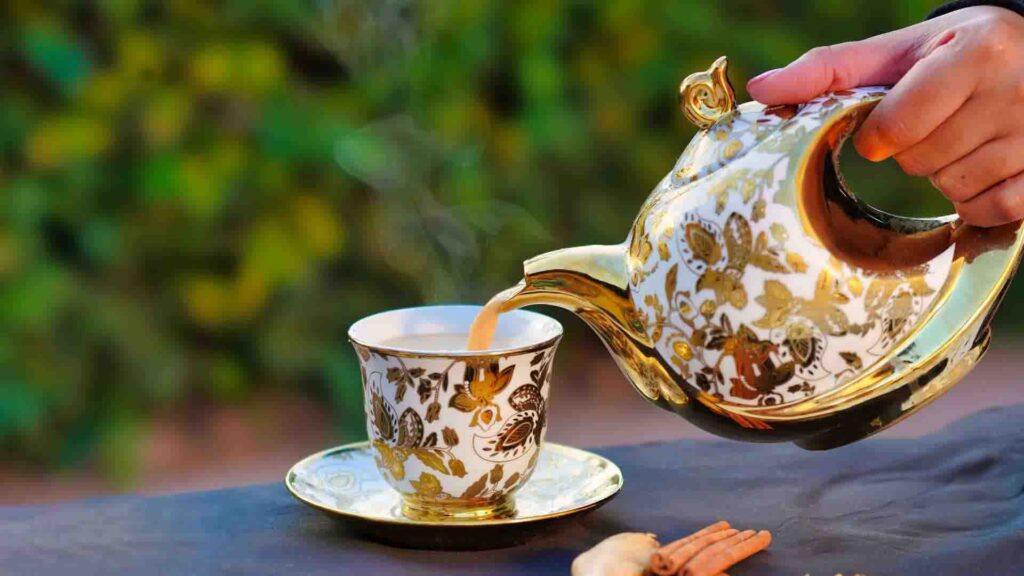
In Bangladesh, a specific variant of tea holds a special place: milk tea, often called malai chai or dudh cha. This creamy, sweet, and often spiced brew is immensely popular, effectively serving as the unofficial national drink. Its dominance reveals a fundamental aspect of the local palate, which favors the bold, rich, and full-bodied flavors of black tea that can withstand the addition of milk and sugar.
Bangladesh Tea Board: Guardian of the Leaves
The Bangladesh Tea Board (BTB) is the autonomous body responsible for the country’s tea industry. Established in 1977 under the Tea Ordinance, the BTB’s mandate is to regulate, control, and encourage tea production. Located in Chittagong since its headquarters were moved from Dhaka in 1984, the board operates under the Ministry of Commerce. The BTB’s work is not limited to regulation; it also focuses on improving the livelihoods of tea farmers and laborers.
Eco-Friendly Tea: How We Ensure Sustainable Tea Farming in Bangladesh

At STB Leaf, we believe every cup of tea should be good for you and the planet. This blog explores how we ensure sustainable tea farming in Bangladesh through organic cultivation, eco-friendly tea gardens, water and soil conservation, biodiversity protection, and community empowerment. Learn about the benefits of Bangladesh organic tea, the rise of the green tea industry in Bangladesh, and how eco-conscious choices support both farmers and the environment.
Loose Leaf vs Tea Bags: Which One Should You Choose?
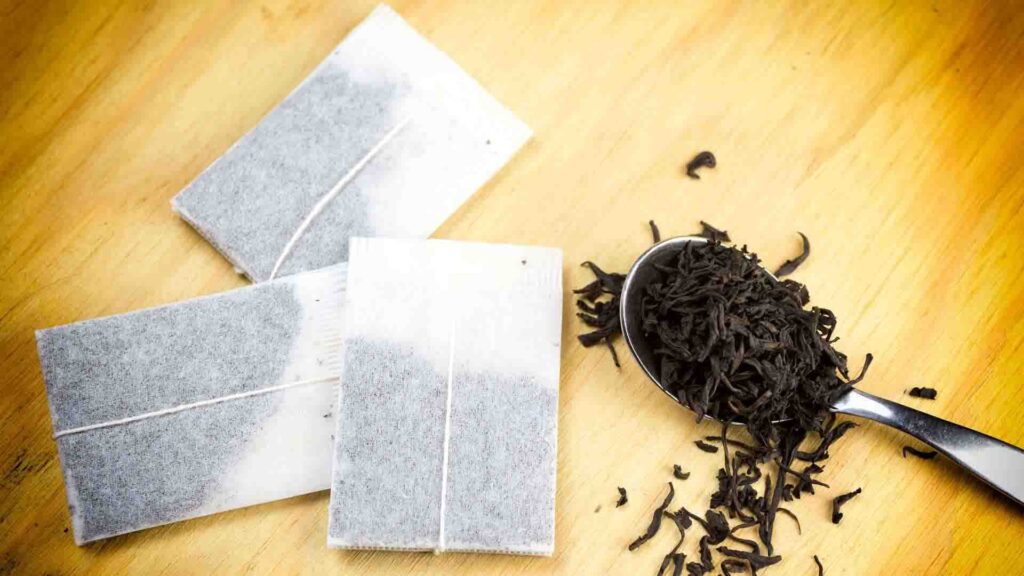
This article provides a comprehensive comparison between Loose Leaf vs Tea Bags, revealing that while tea bags offer convenience, Loose Leaf tea is superior in flavor, health benefits, and long-term value. It explains how whole tea leaves offer a richer, more complex taste and higher concentrations of antioxidants, while also being more cost-effective due to their re-steeping potential. The guide is designed to help tea lovers in Bangladesh make an informed choice that elevates their daily tea-drinking experience.
10 Creative Tea Recipes You Can Try at Home

This blog explores 10 creative tea recipes you can easily try at home, featuring classics like masala chai and Thai iced tea, as well as innovative blends such as ginger–turmeric herbal tea, hibiscus lemonade, and matcha mint latte. From refreshing iced teas to spiced milk teas and unique fusion recipes, each recipe is simple, flavorful, and customizable.
Farmers Behind STB Leaf’s Fresh Premium Tea: A Human-Centered Story from Bangladesh
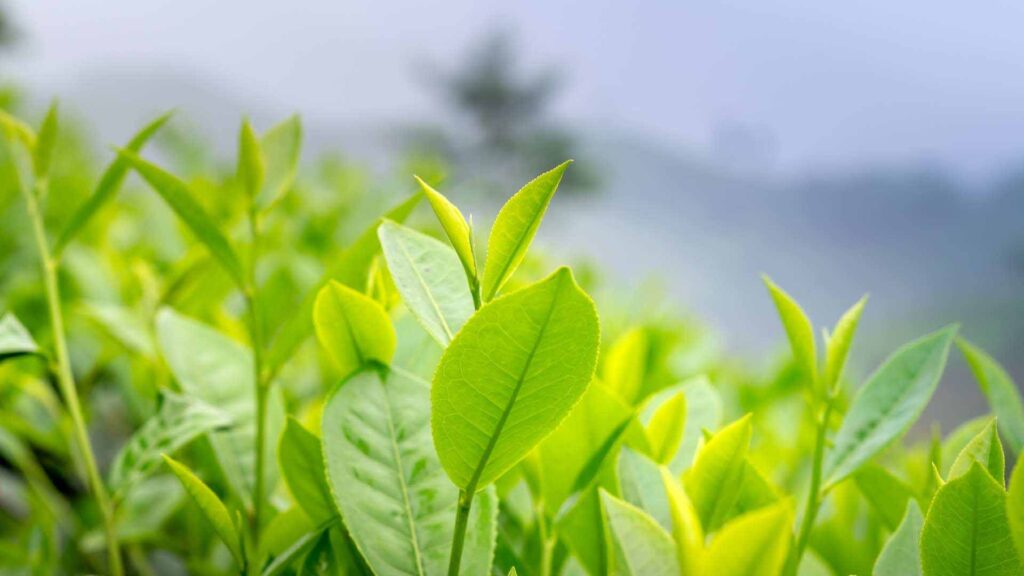
At STB Leaf, our fresh premium tea is rooted in the dedication of Sylhet’s tea garden farmers. This story highlights their generational expertise, the challenges they face, and how our ethical sourcing ensures fair compensation, community upliftment, and sustainable practices—so every sip supports both quality and humanity.
Tea Rituals Around the World and What We Can Learn from Them
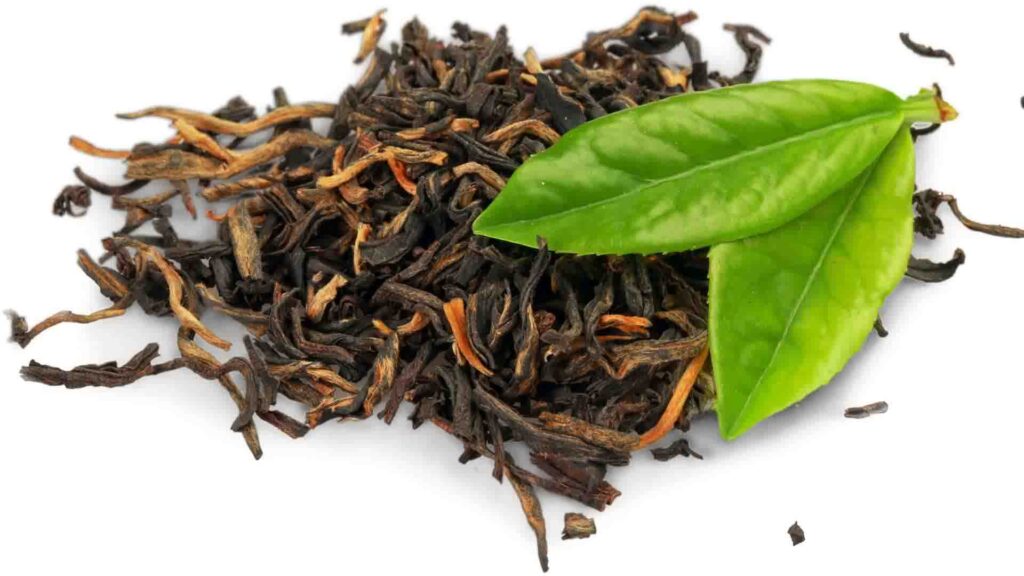
Tea rituals worldwide reflect culture, mindfulness, and hospitality. From Japan’s serene Chanoyu, Britain’s sociable afternoon tea, and Morocco’s mint tea of generosity to India’s everyday masala chai, each has meaning. In Bangladesh, tea is part of daily life, with “Seven-Color Tea” showcasing creativity, tradition, and community bonding.
The History of Tea in Bangladesh: From Sylhet to the World

Tea in Bangladesh began during British colonial times with the establishment of gardens like Malnicherra in Sylhet (1854), growing steadily through partition and war. Today Bangladesh produces over 100 million kg annually, mainly in Sylhet and Chittagong. Tea is deeply cultural, supports livelihoods, and gains recognition globally for its quality.
Pairing Tea with Food: A Complete Guide for Tea Lovers

Tea and food pairings enhance flavor by matching intensity—robust teas with rich or spicy foods, and lighter teas with delicate or sweet dishes. In Bangladesh, masala chai complements spicy snacks (samosas, pakoras), green tea elevates fruit desserts, and strong black tea matches hearty breakfasts. Experimentation is encouraged.